When I started out as an interior designer, I used to promote family-friendly design. Admittedly, I was in the thick of raising my own three kids and had a genuine passion for creating home spaces that were welcoming and comfortable to the youngest in our homes. But as my business grew and work opportunities expanded, I designed for more singles and young couples than families with children. I realized that the criteria I applied to family-friendly homes was universally needed for everyday living in any stage of life!
I started applying my life-friendly design standards to every job. Though the specific styles and functional needs differ from project to project, there are some general guides I prefer to follow that have been appreciated by all of my clients! Whether you are settling into a home to call your own, creating a shared home with a loved one, or establishing a place to grow roots for your growing brood, here are some specific strategies I’ve used that have been helpful across the board.
Upholstery Fabric
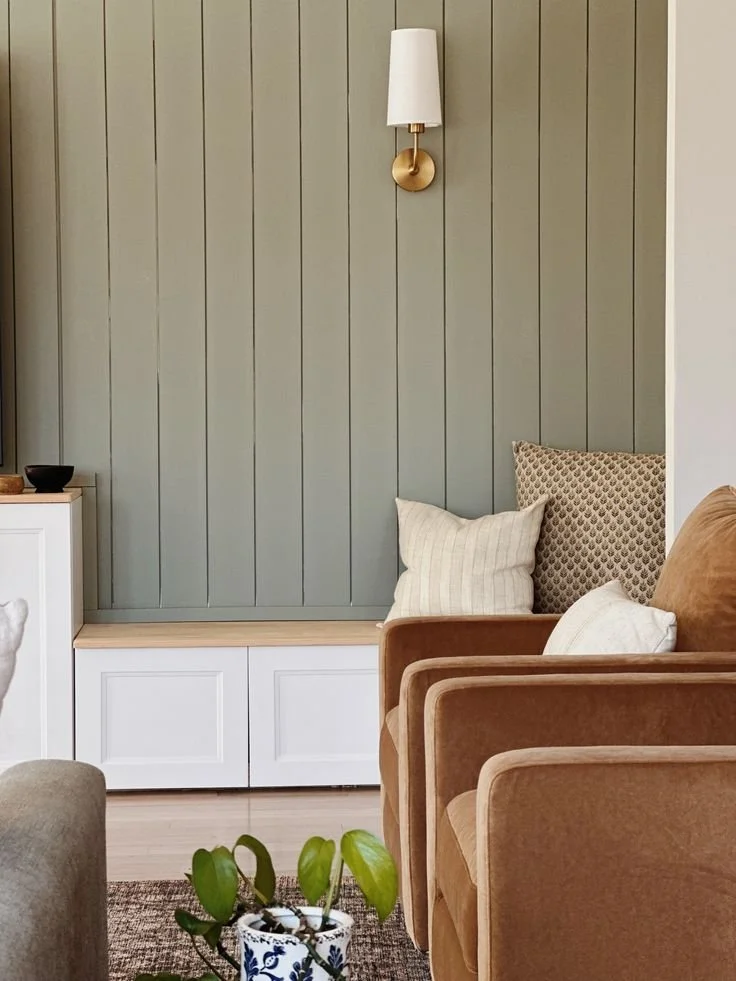
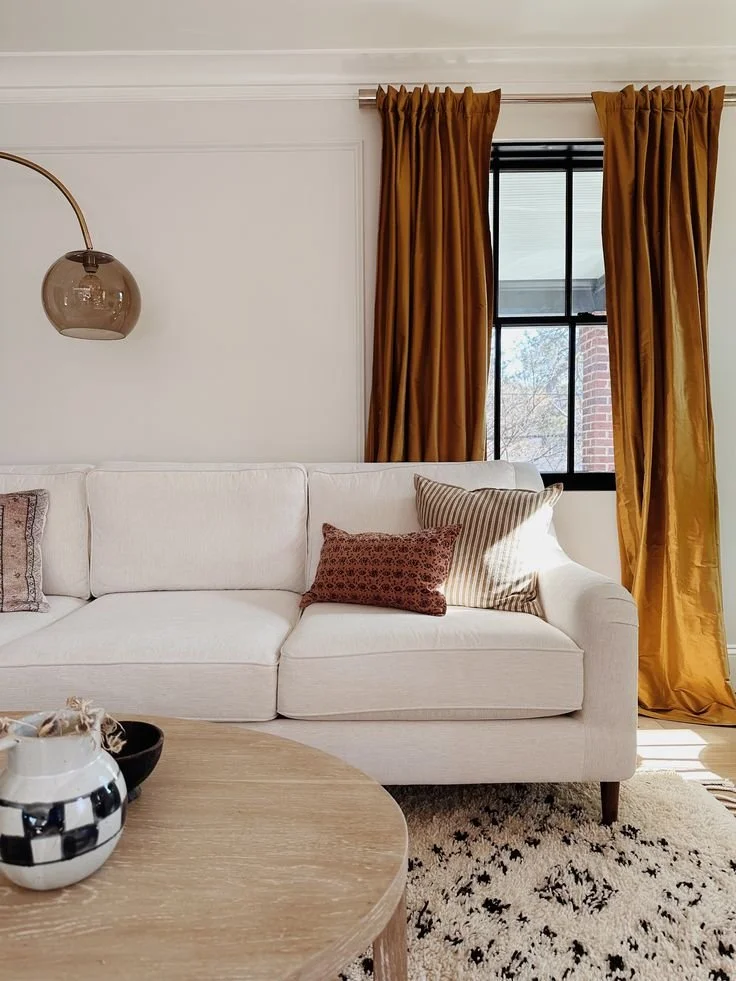
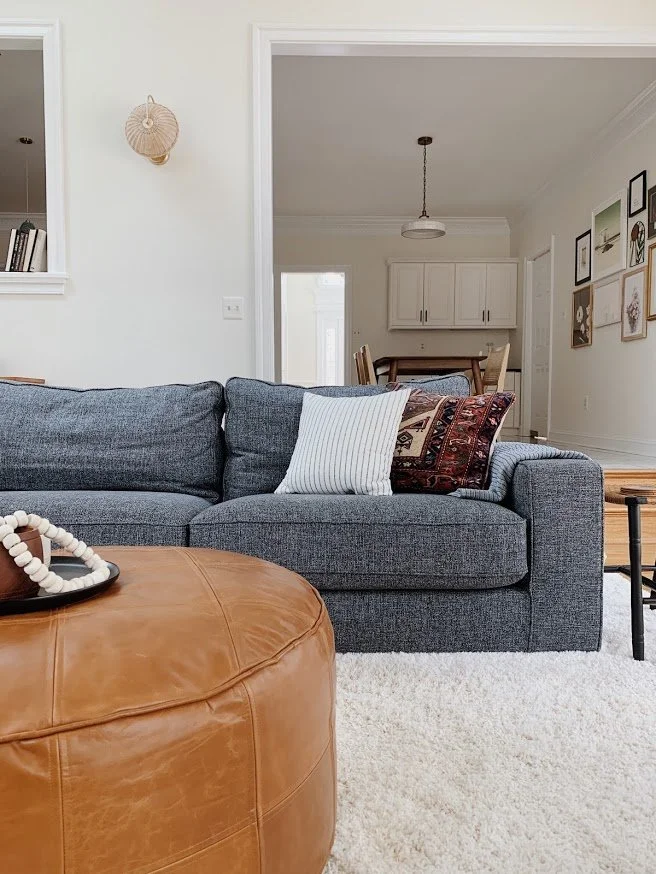
I look for fabrics that blend durability and luxury. I look at rub count, (50,000 is the bare minimum acceptable for me to recommend), fill, and have a collection of hundreds of samples from numerous stores so I know exactly what they feel like and look like in person. I even did my own stain tests so I can recommend the best life-worthy neutrals! Performance fabrics have come a long way and feel every bit as soft as we deserve.
Rugs
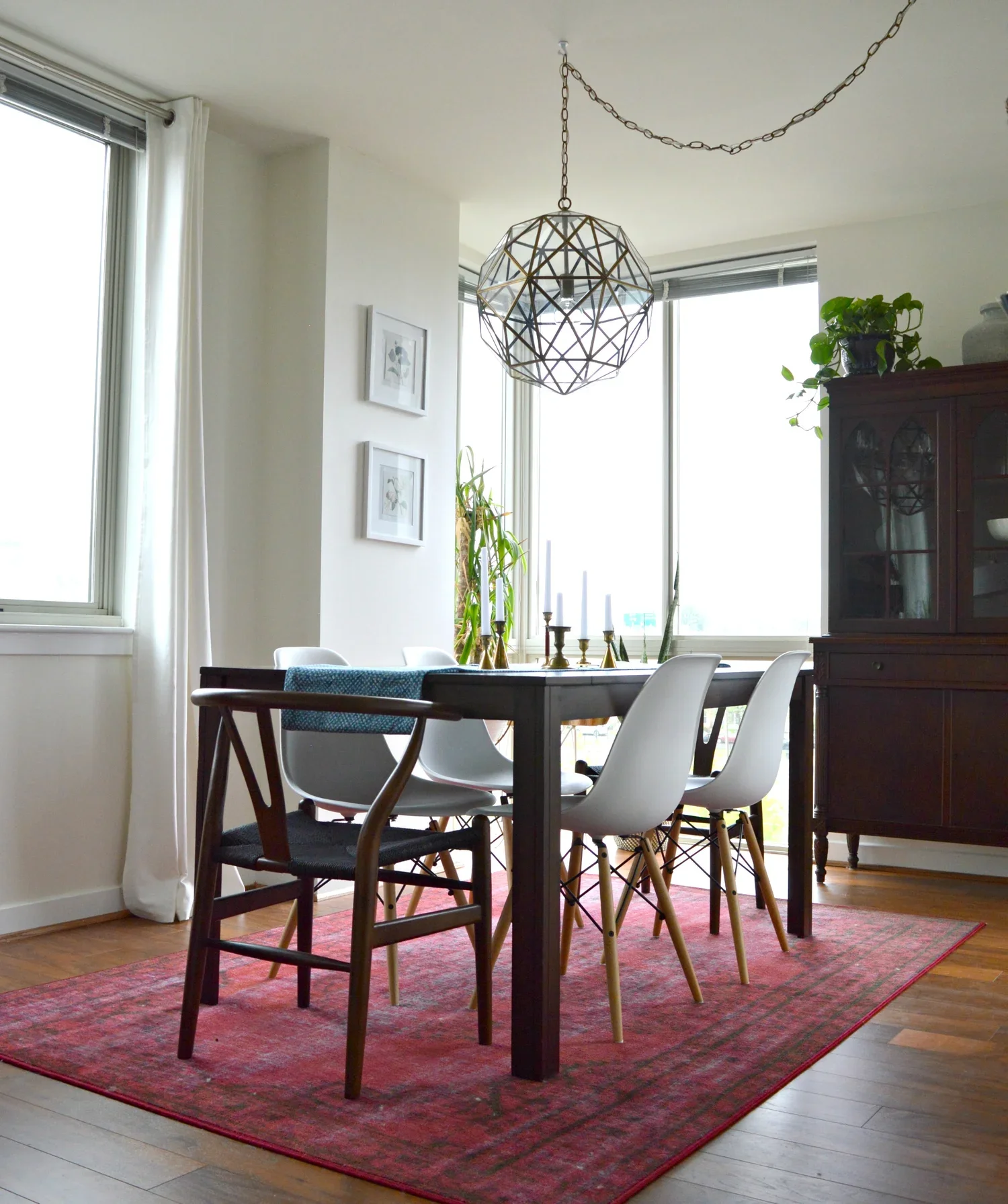
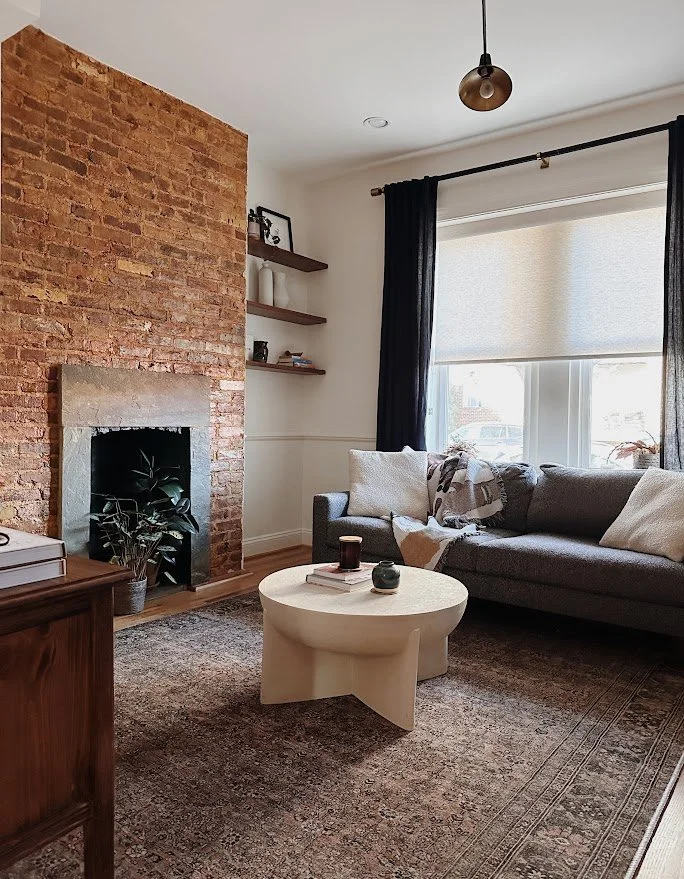
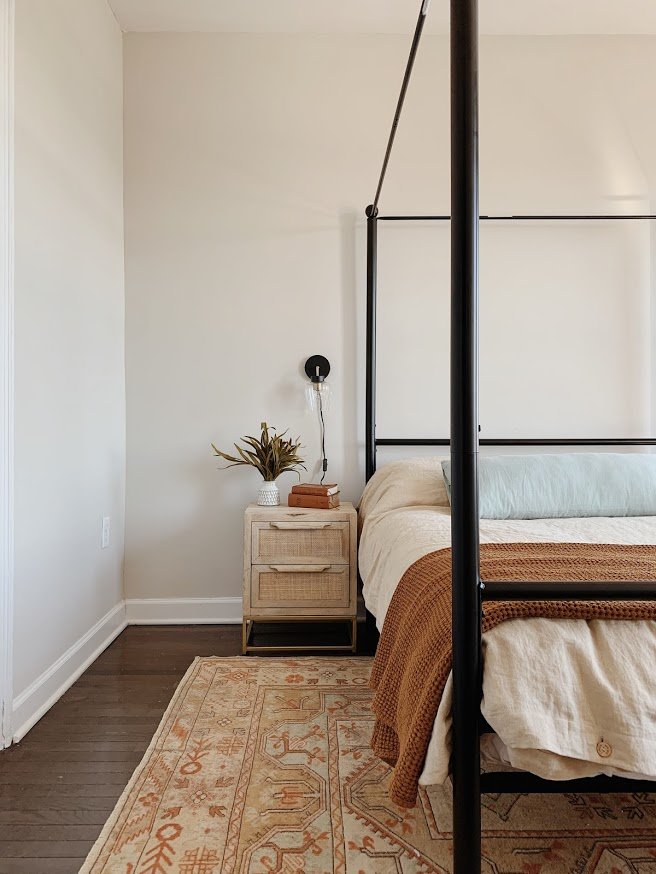
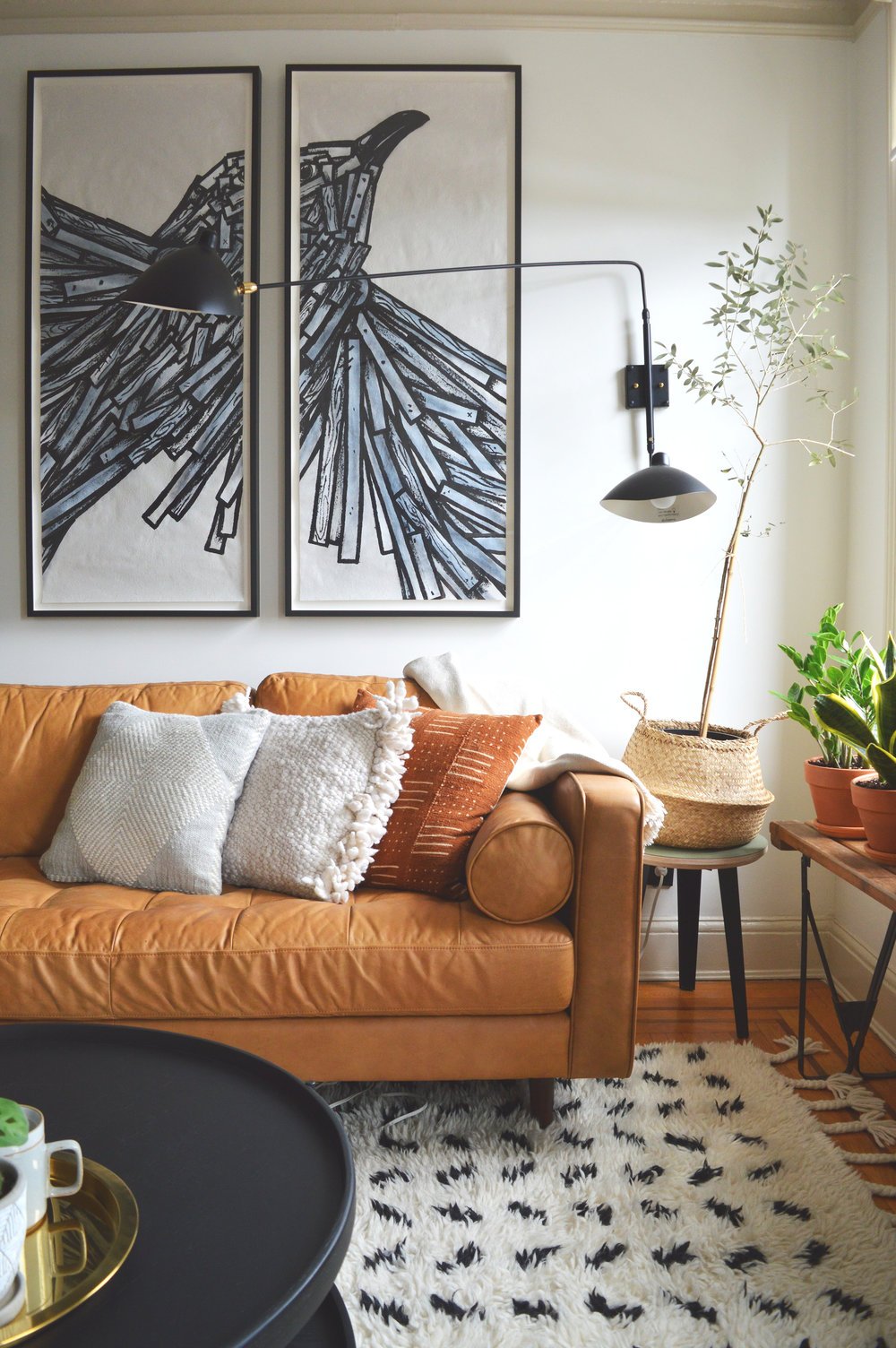
Rugs in a tight pattern are the MOST forgiving. Whether vintage or manufactured, patterned rugs are my go-to, and no matter what your style, I can usually find a homerun. Even in a minimalistic contemporary home, a subtle neutral stripe works beautifully. I never use washable rugs unless a client is absolutely insistent - and the one client that insisted ended up regretting it because after one wash it never laid the same again.
Light Control
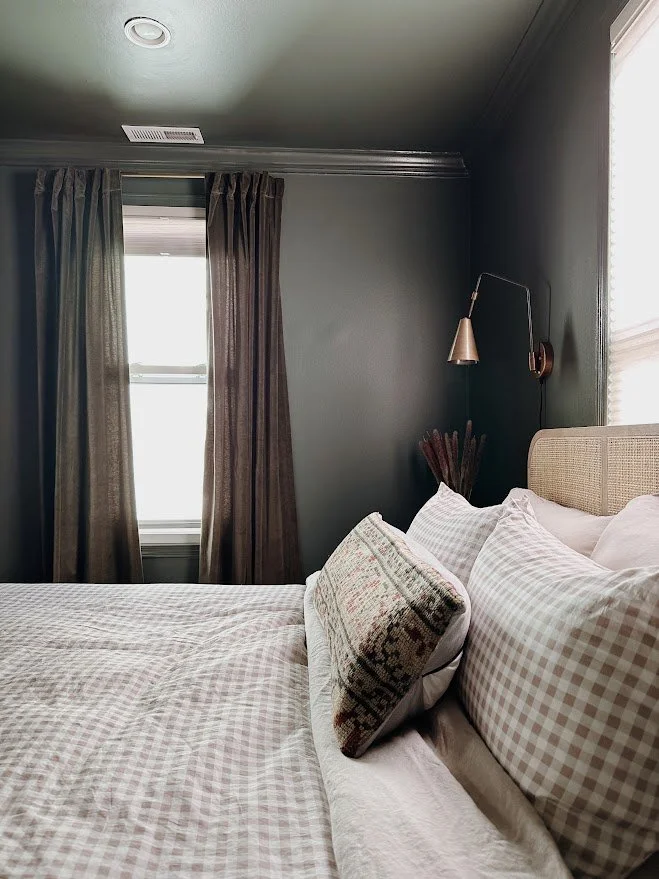
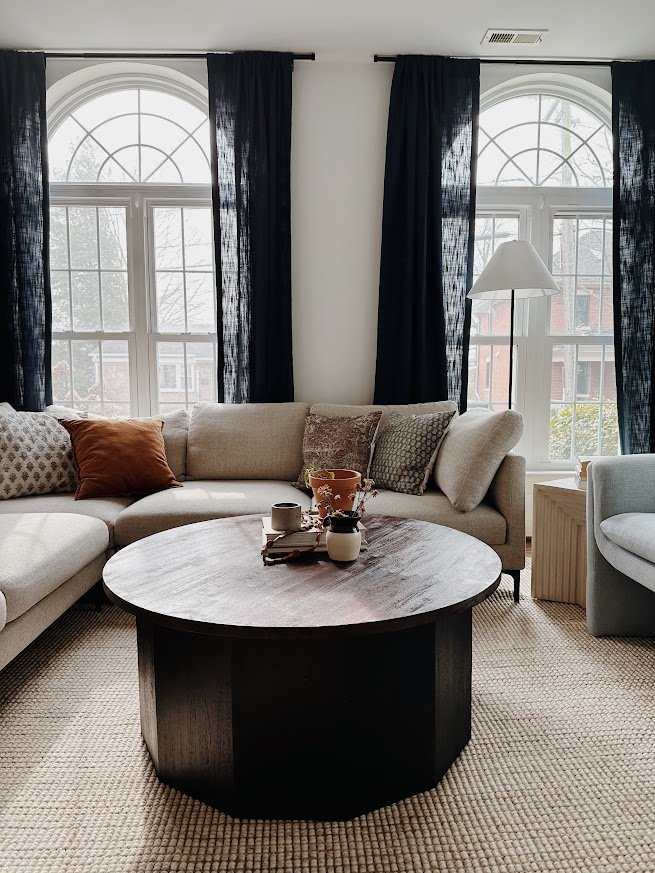
Making sure a room has the comfortable amount of lighting, from day to night, is essential. And the client is the one who determines what is comfortable! The amount of light saturation in a space is total personal preference. Some want and need their bedrooms to be pitch dark in the peak of day, while others like a soft filtered light. Bottom line, that means curtains and shades with the proper lining (if necessary), strategically placed lamps, sconces and ceiling lights, are essential to the finished space.
Storage
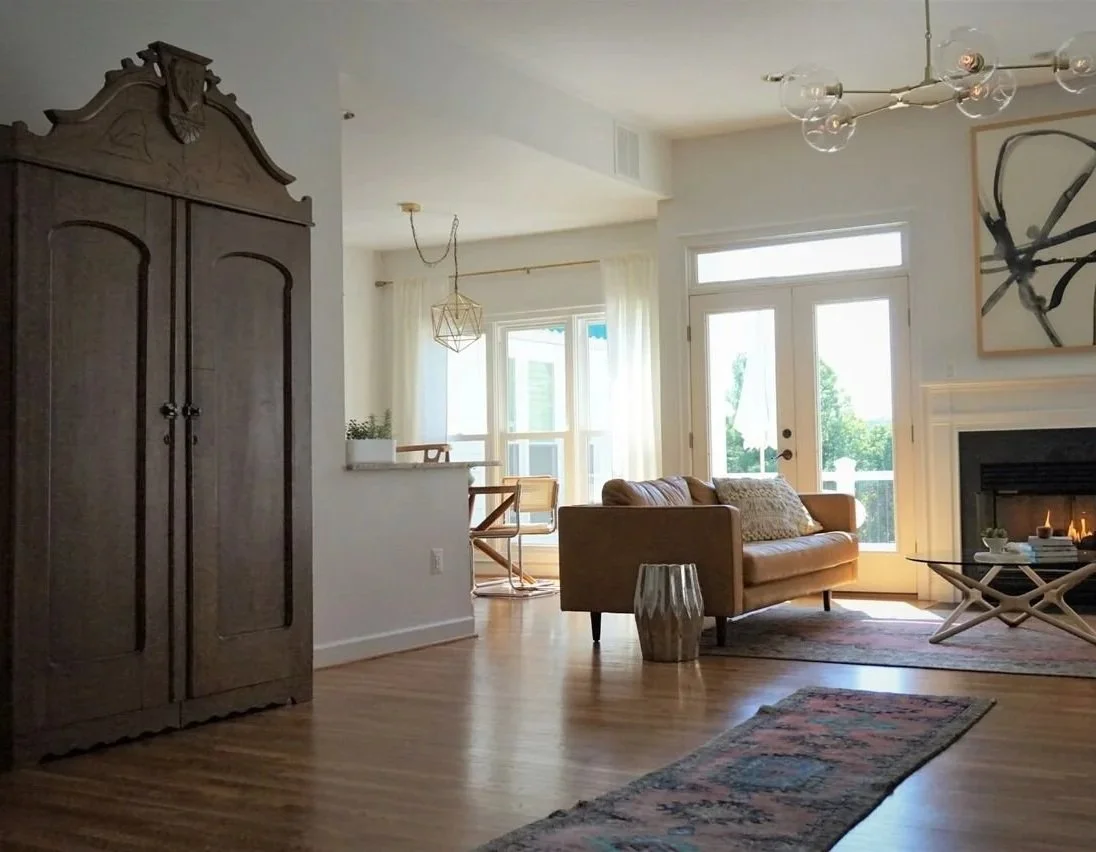
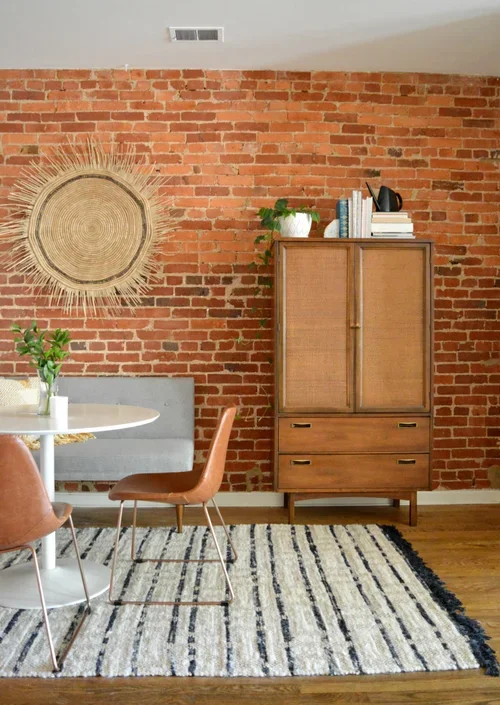
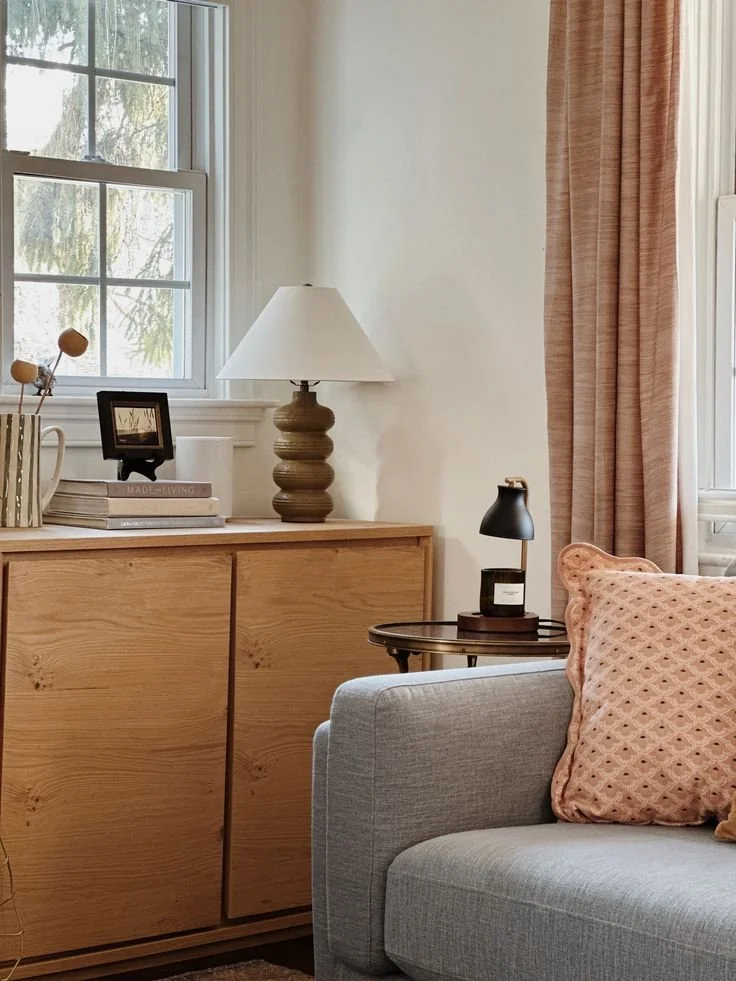
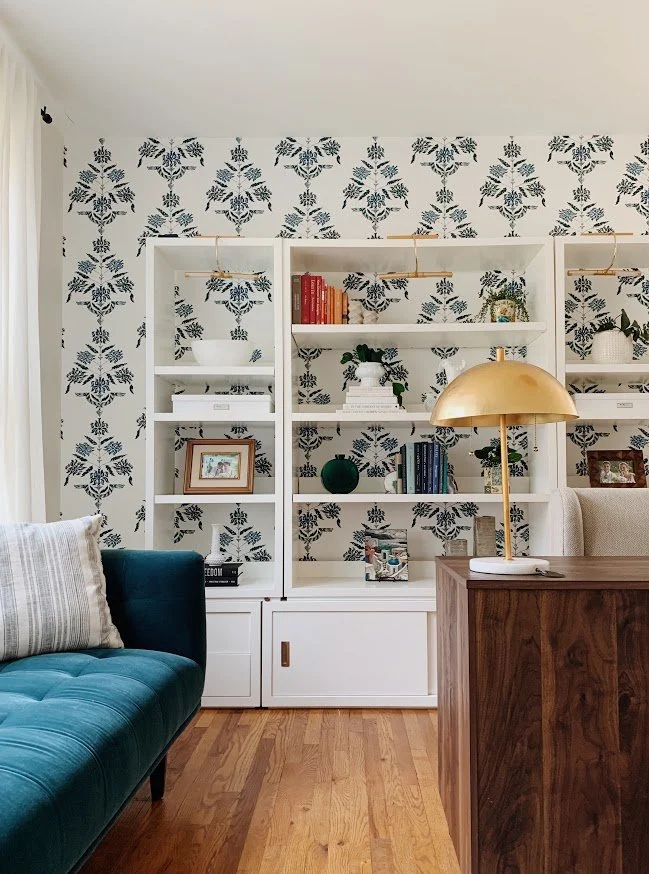
Storage is a frequent criteria. I don’t work with a ton of clients who are building their own home, so closets are generally too few, too small or in some cases, non existent. Instead of adding multiple small pieces to a space, I prefer larger pieces that can fly solo. Some designs feature storage you would never know was there, like an ottoman or coffee table, while in others the storage is a prominent focal point in the room.
Flow
Room flow - I’m including this one at the bottom because it’s less interesting, but it’s also the very first thing I focus on. More often than not, the furnishings in peoples home just aren’t the right scale to the space they have. The pieces are either far too big, or so small the room feels scattered with little pieces just swimming around. Furnishing a space with the pieces that suit the size of the space is step 1 in creating a peaceful, comfortable home. I am meticulous about understanding the measurements of a room before I get started. If a pathway through a room closes to less than 30” I pivot and figure something else out. Sometimes I have had to completely revision the room but it is worth it to not squeeze items into a space. Likewise, when you’ve got a more spacious room and the furniture is too small, it’s not comfortable. I walked into a home that had a two story great room that was the bulk of the square footage of their main floor, and they had a pair of loveseats they had just bought. The client was tired, frustrated and lost trying to figure out how to use the rest of the room. And I told them i would love to help but on the condition that they either repurpose the loveseats to another room or sell them. Start with getting the scale of the furnishings right, and everything progresses from there!
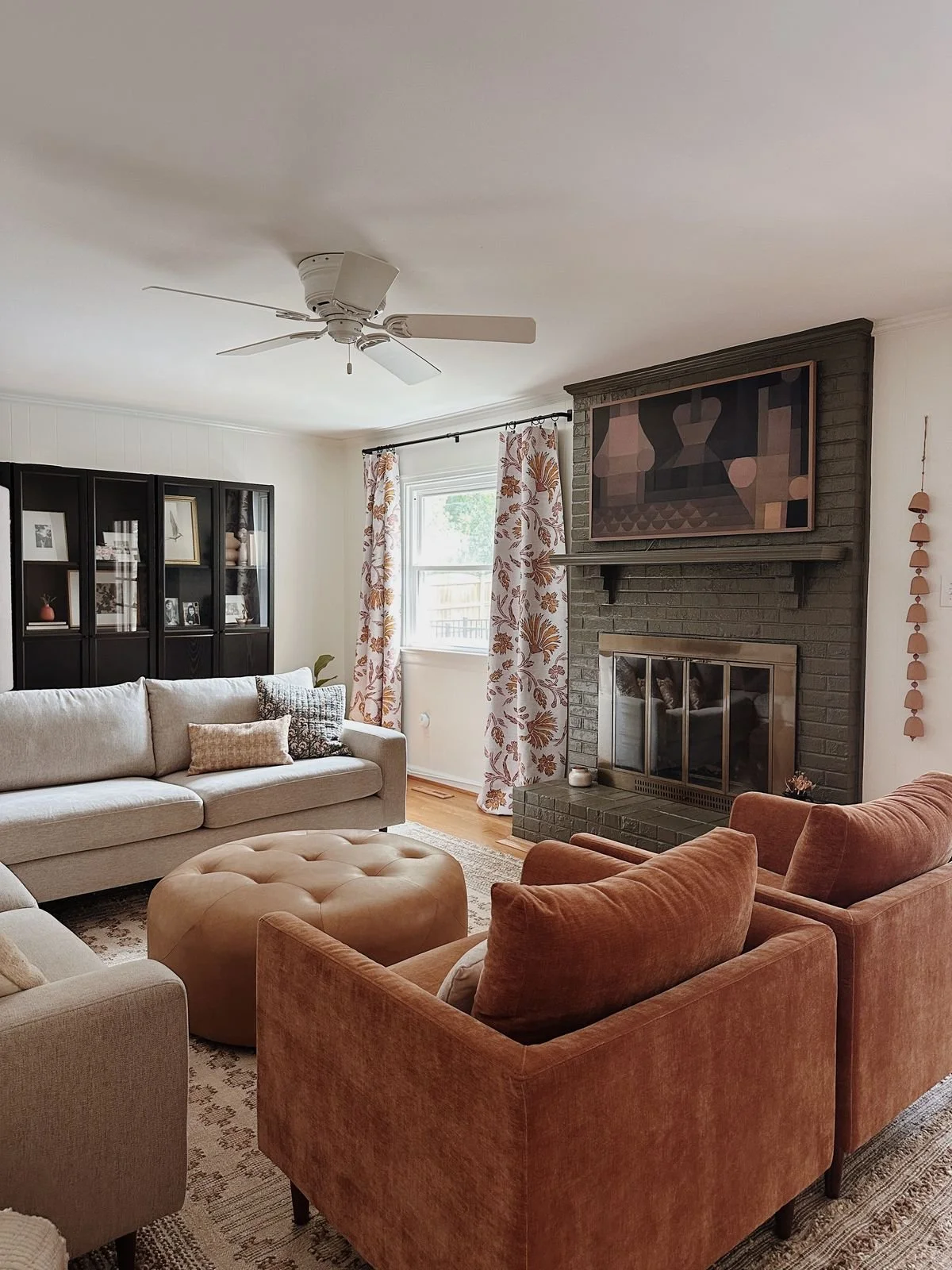
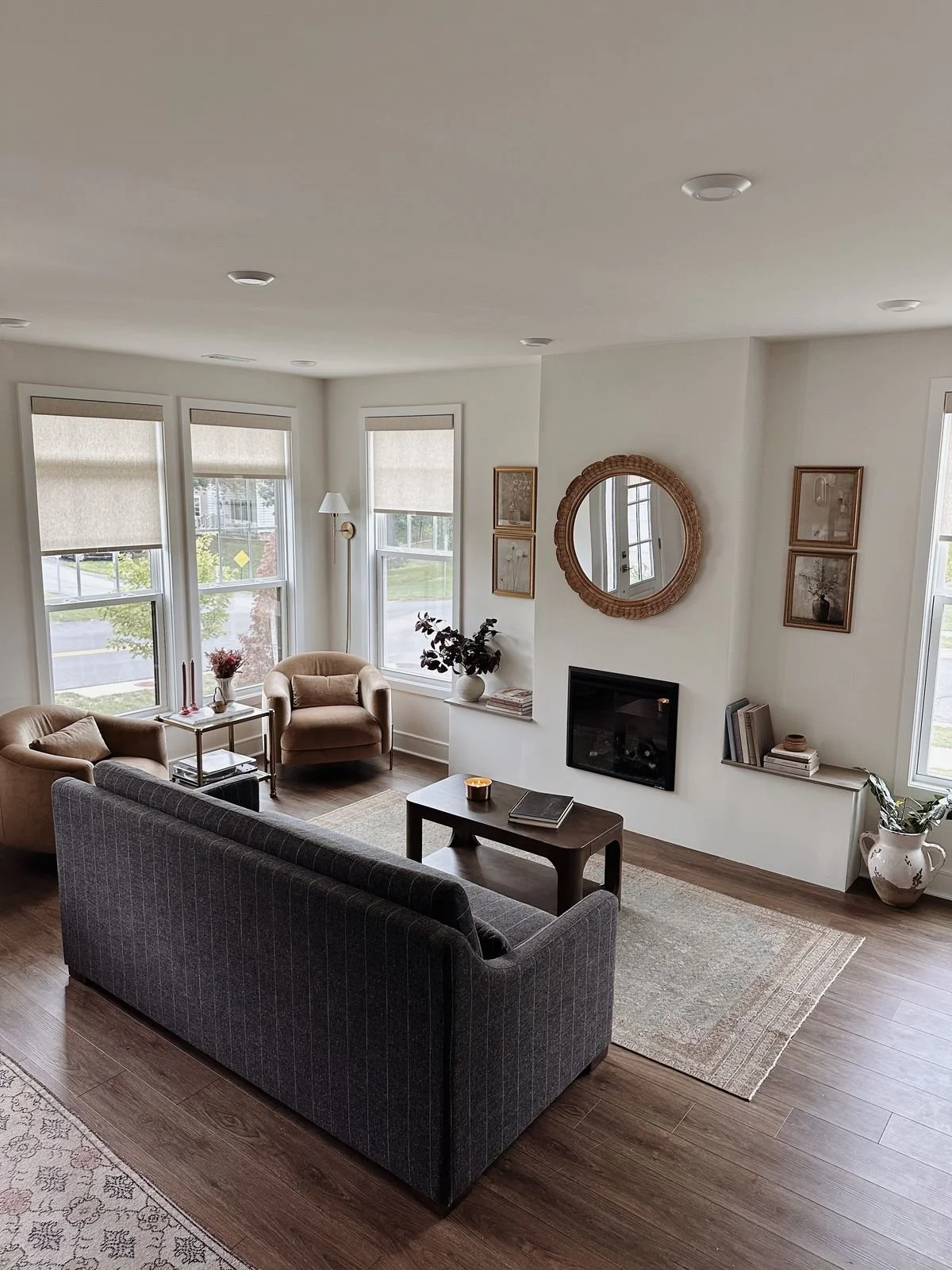
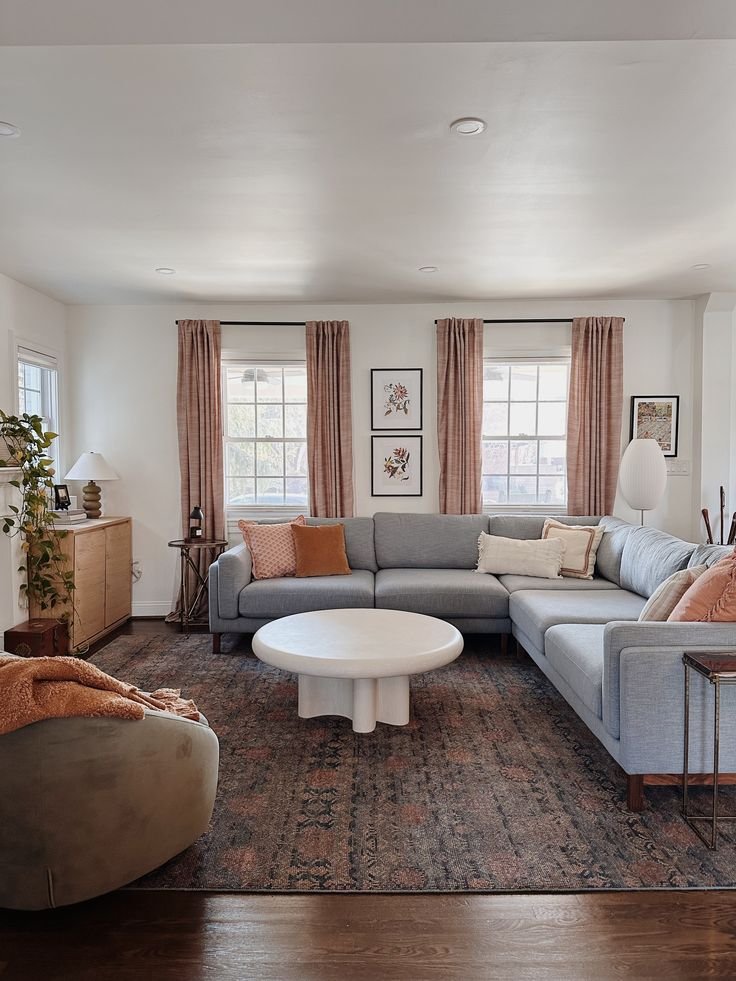
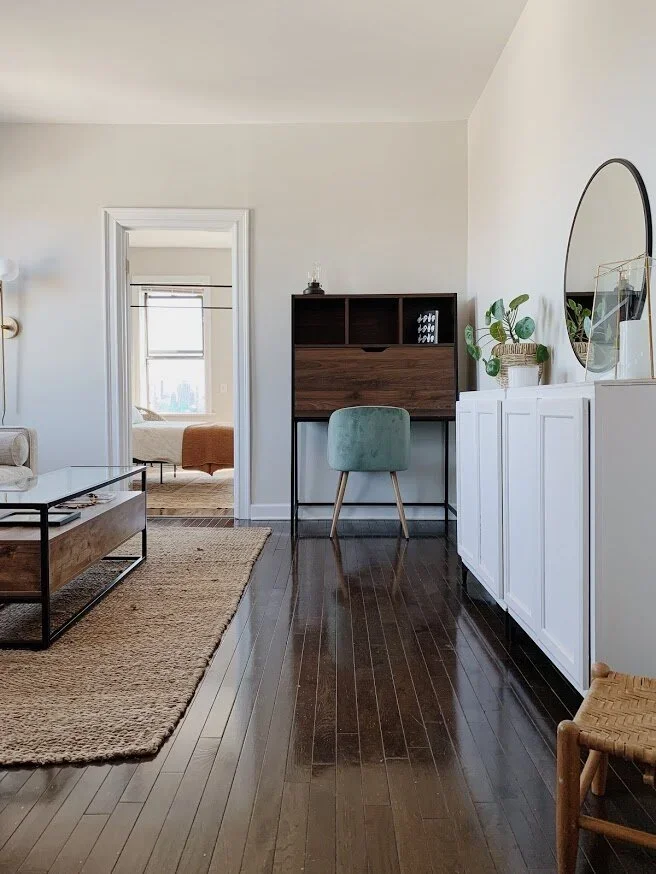
There it is! The essential ingredients I trust in a life friendly home. Your home should be supporting your day to day needs, how you live, your in and out. If you’re feeling overwhelmed, frustrated or tired with your home, please reach out here. I’d love to chat and see what we can do about that together.

