DIY Ring Pulls - and the first completed Flip List item

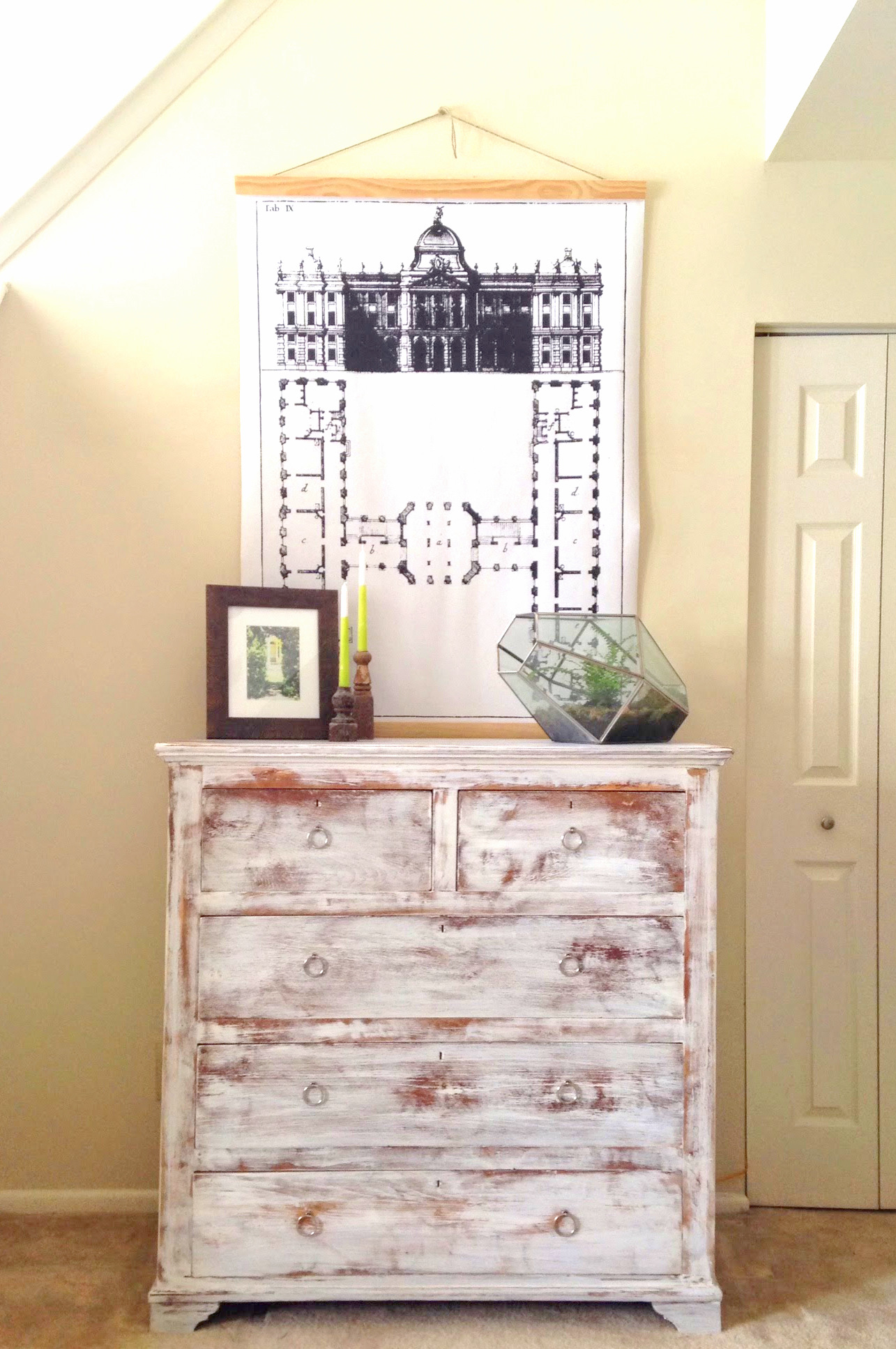
The other week I scored this great dresser on Craigslist for a great price.   It's solid wood and the seller had bought it and brought it back from India.  {How cool is that?  I love pieces with unusual history}.  , But she was selling it because it had some damage to the finish - so it became my first opportunity to cross something off my Flipper's New Years Resolutions.  Can you guess which item I went for first?  That's right!  I went for No.6 the paint-stripped dresser. 

Except it didn't actually turn out the way my inspiration piece looked... it came out WAY BETTER.  
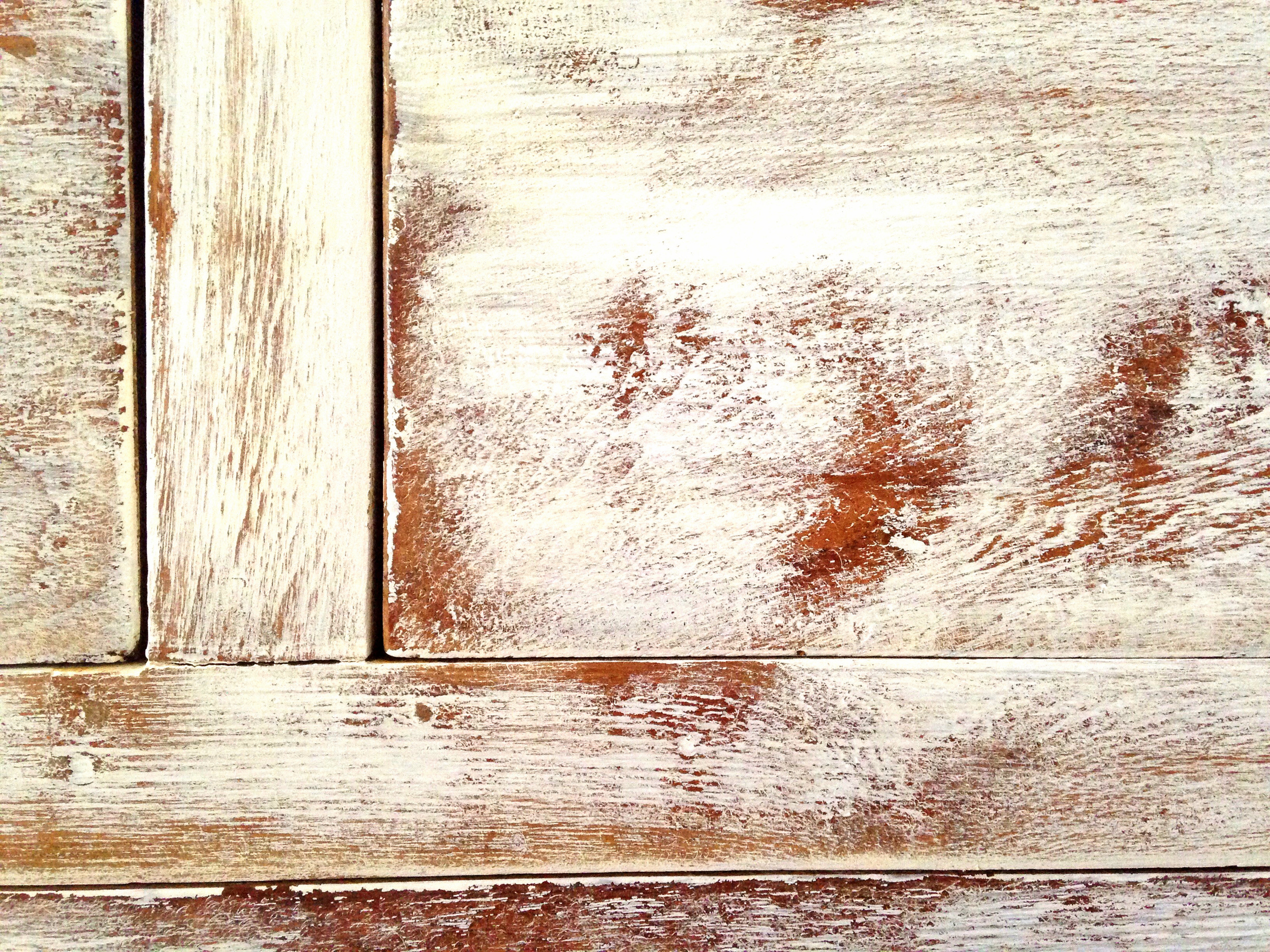
I wasn't really sure how to go about re-recreating this effect from my inspiration piece other than just stripping off most of the paint finish on a piece to reveal the naked wood underneath.  My piece was already naked and part of me felt like it was a waste to paint it just to strip it off again.  So I decided I would only cover the piece with a thin coat of paint.  

But first I had to start by sanding the piece to prep it for paint.  Then on a whim I decided to wipe it down with some fabric softener because, as I discovered while painting my box trunk, it can keep the paint from taking in some areas.  Then I painted on a light coat of home-made chalk paint I had left over from my two-toned coffee table.  

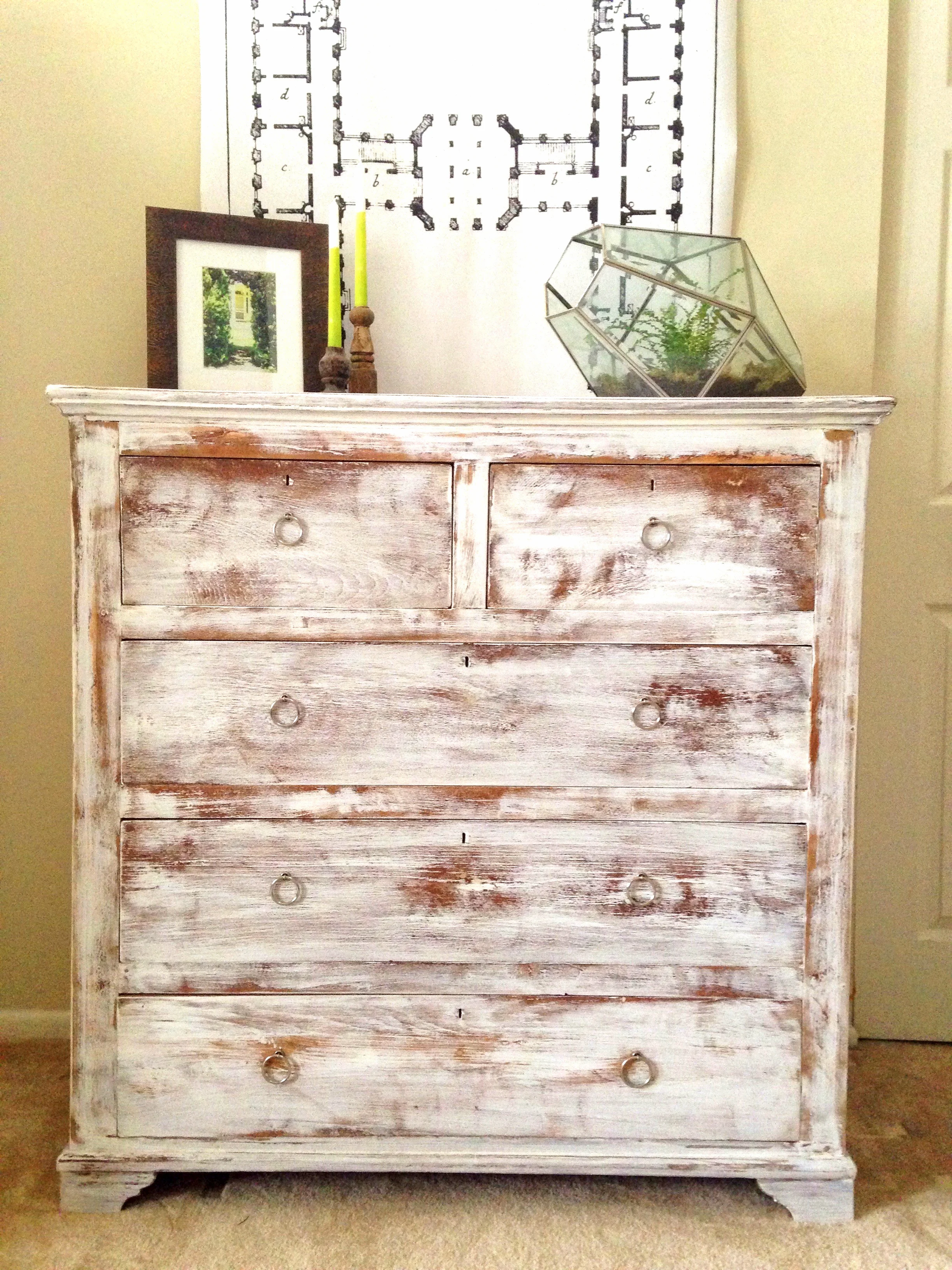
After the paint dried, it was time to TAKE IT OFF BABY.  Using a fine grit sanding pad on my orbital sander {thanks for the xmas gift Scot & Joanie} I gently sanded some of the paint off.  

I could have kept sanding to reveal more of the naked wood, but I liked how the white was bringing out the natural wood grain. 

It kinda ended up like a dry-brush effect but without the dabbing-paint-on-a-rag-or-paper-towel process.

For the hardware I also tried something new - DIY ring pulls!  I can't take credit for this idea however - I found this post on Sarah M. Dorsey Designs, but no disrespect to Ms. Dorsey, I needed a little bit more info on where to find the parts: cotter pin, 1" ring, and washers.  I had never heard of a cotter pin before.  I had no idea if I was in a plumbing thingy or electrical do-hickey and therefore had no clue where to look for it in the store.

Turns out it's in with the screws, nuts, and bolts aisle.  And more specifically, it was in a drawer at Home Depot with a tiny picture on the front so it was kinda hard to spot at first when you have shopping tunnel vision on.  You can also find the finishing washers {which are beveled} and regular washers {which are flat} in this aisle.  The trick was finding the ring for the DIY pull.  There was nothing in that aisle that resembled Sarah Dorsey's find at her local hardware store so I had to expand my search.  I actually ADORE going to the hardware store and perusing all the aisles I really have no business being in to find odds and ends I can repurpose for something else.  And my aimless wandering did not disappoint.  I ended up striking gold in the window treatment aisle with a set of curtain rings for $7.97 that would be perfect understudy.

I'm gonna go ahead and assume I'm not the only one who did not know what a cotter pin looks like so here's a visual aid:

Labels.png

Supplies Needed:
Curtain ring {with removable clip}
Cotter pin {size 1/8" x 1-1/2" should do}
Finishing washer {I used size #8}
Washer
{doesn't have to be pretty because you won't see it inside the drawer - just make sure the cotter pin can fit through the inner hole}
Pliers

1. Remove the clip from the curtain ring.  It was really easy to unhook the clip with just my fingers, but you can use the pliers just in case.
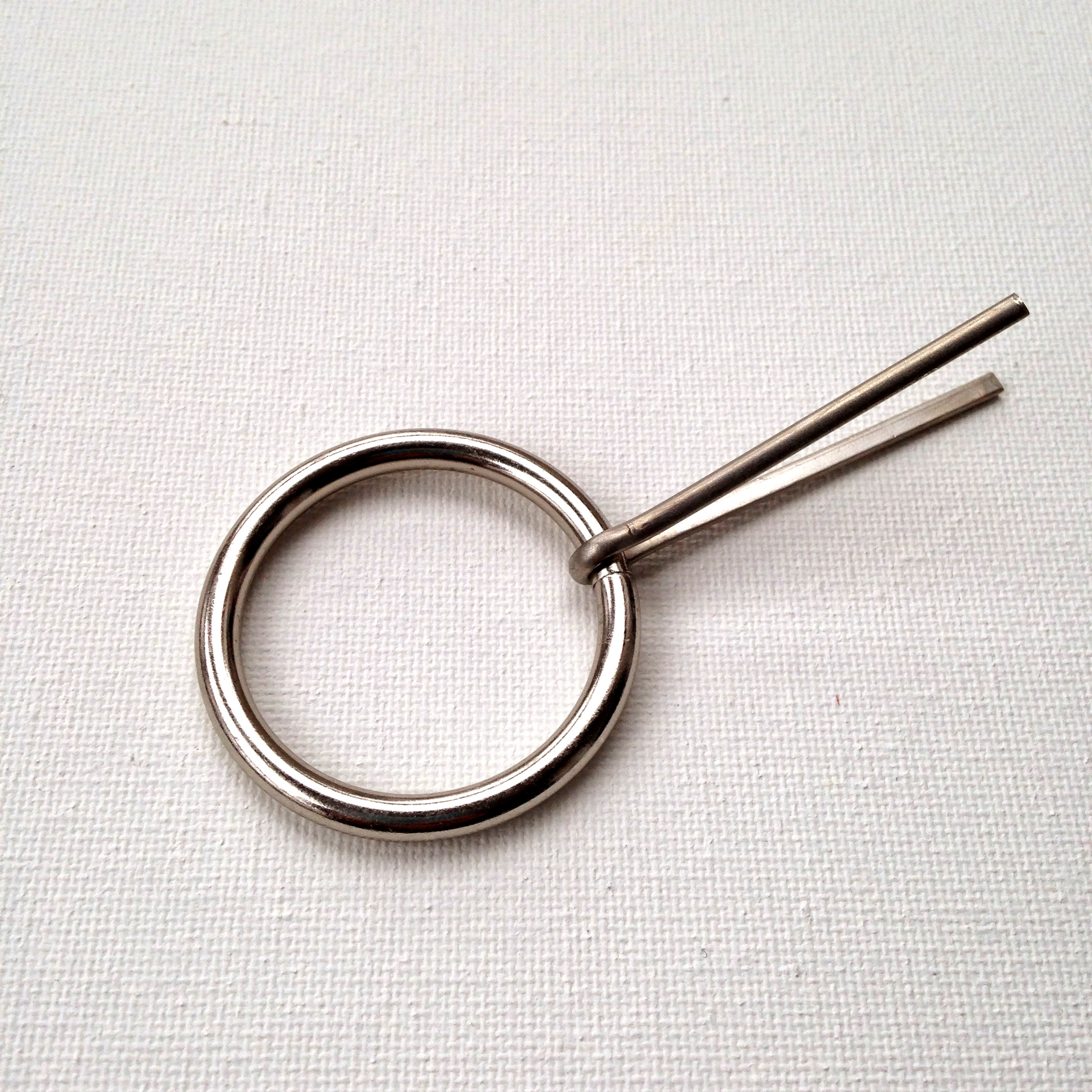
1. Remove the clip from the curtain ring.  It was really easy to unhook the clip with just my fingers, but you can use the pliers just in case.

2. Much like sliding your finger through a bobby pin, slide the ring between the two prongs of the cotter pin until it reaches the eye at the end.  Cotter pins are made from much tougher metal than bobby pins {which is good because you wan…

2. Much like sliding your finger through a bobby pin, slide the ring between the two prongs of the cotter pin until it reaches the eye at the end.  Cotter pins are made from much tougher metal than bobby pins {which is good because you want something stronger for furniture pulls}.  So this is really where you want to use pliers and put some elbow grease into it.

3.  Once the ring is on, pinch the prongs of the cotter pin and slide on the finishing washer with the beveled side facing the ring.

3.  Once the ring is on, pinch the prongs of the cotter pin and slide on the finishing washer with the beveled side facing the ring.

4. Now you've got the makings of the ring pull.  To secure it onto the drawer, thread the prongs through the hole in the drawer and slide the regular washer on the inside of the drawer.  Then bend the ends of the cotter pin like a bra…

4. Now you've got the makings of the ring pull.  To secure it onto the drawer, thread the prongs through the hole in the drawer and slide the regular washer on the inside of the drawer.  Then bend the ends of the cotter pin like a brad to keep the pulls in place. 

Mighty fine looking for just about $2.11 a pull!
Could't help snap this pic of another of my chandelier terrariums.  If you want the tutorial on how to make your own, check out this post from last spring.

The only thing I was disappointed by is that Home Depot doesn't seem to carry cotter pins or finishing washers in brass.  If any of you readers have ideas on where I can get some please share!

White distressed dresser
43"W x 19.5"D x 43"H
Sold

If you are interested in this piece or a custom order like it, please email cate@stylemutthome.com.
 

Staging Smart: Why it's important ||Plus a fresh piece revealed||

Hi All! With each year that I've been refinishing furniture, I learn something big. Early on, it was basic refinishing techniques. Then I started to discover my own style, and began applying technique to a particular look. This past year what I learned had less to do with the process of refinishing a piece of furniture, and more to do with the community of those sharing the same passion. 

Cate and I are still in the process of building StyleMutt and are in no rush to achieve every last one of our hopes and dreams for this small business. It's a brick-by-brick process and we are OK with that. But, the first thing we wanted to accomplish together was defining what StyleMutt would be. We desire for StyleMutt to be a helpful resource to its readers; a welcoming place to find inspiration, tips & tricks, and enjoy being a part of a community with similar interest.

With the furniture refinishing boom growing more popular each year, we see even greater importance in pulling together to share helpful information. Rather than simply share the 'Before + After' photos of newly refinished pieces, we'd like to share new tips and techniques that we're learning as well. There is a lot of information for how to refinish furniture floating around the web, but we'd like to extend our focus to include how to refinish, market and sell your furniture, if that is what you desire to do. With so many talented creatives refinishing and selling furniture, it can be difficult to make your work stand out and move your inventory at a comfortable pace. We have by no means perfected how to market and sell our pieces, but together we have sold around 225 pieces over our combined 7 years of experience, and have learned a few significant things that we feel help our pieces move.

To begin, we'll be using a few posts to discuss staging, starting today!

One of the most important things you can do for a piece you've put time and work into is show. it. off. Bring it inside wherever you feel you have the best lighting, and create a beautiful scene around it. Careful not to let the piece get 'lost', but don't be afraid to add a lamp, a stack of books, a vase of pretty flowers - simple items that help show your piece in context. I specifically like to show versatility with pieces I refinish. A dresser can serve as an entryway catchall, or a dining room buffet. A console table can function as a desk. Try staging your piece a couple different ways to show potential buyers that your piece would be a multi-purpose investment for their home. 

Here is an example of a piece hot out of the garage and currently available for sale, that I staged two very different ways:

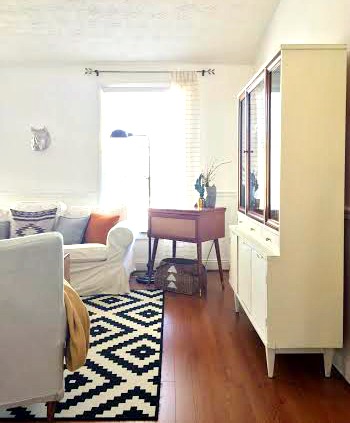
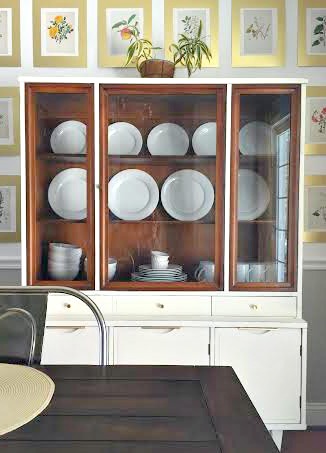
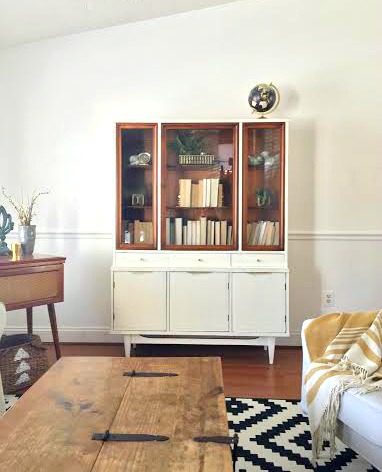
This mid-century modern china cabinet could serve as a library in a study or living room, or as a traditional dining room storage piece. Help potential buyers to see value in versatility. Don't you? I know for me personally, I'd rather put my money into something that I could move around and use differently someday, rather than something that's going to be a one-trick pony forever. Take photos in both settings and share both when you post your piece to sell! 

Here is the mid-century cabinet in my living room:

mcm cab1 DONE.jpg

And in the dining room:

And don't forget the close-ups so folks can see the details that give your piece additional character!

It's can be difficult to imagine how a piece of furniture might look in your home or where you'd place it, especially if you're only looking at pictures of a piece in someone's garage or sitting on their driveway. Make it easy for people looking at pictures of your piece to really see its potential. Proper staging and a dash of versatility, (when possible), go a long way. It takes effort, yes, but if you feel your piece is worth $X, take the time to make it LOOK worth $X! If it doesn't look fantastic in your pictures, it will be hard to convince people to take the time to see it in person. Just my two cents. :)

Two-Tone Mid-Century China Cabinet
SOLD
Please contact chelsea@stylemutthome.com if interested in a something similar!

Thank you all so much for stopping by! Have a wonderful day!

Industrial Pipe Shelves ||Reveal + Tutorial||

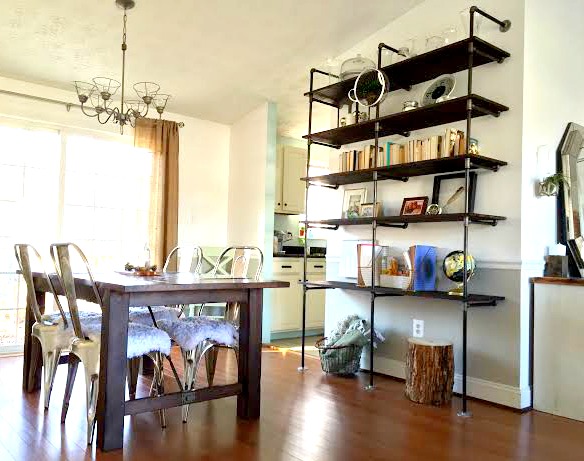
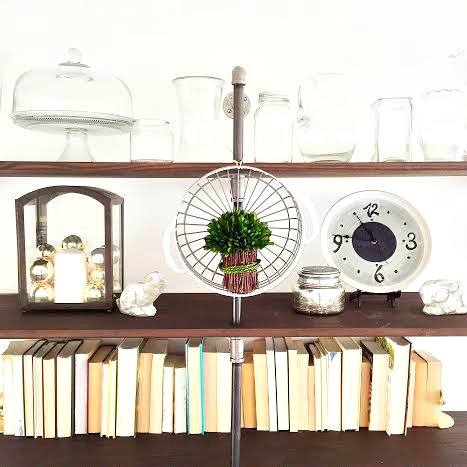
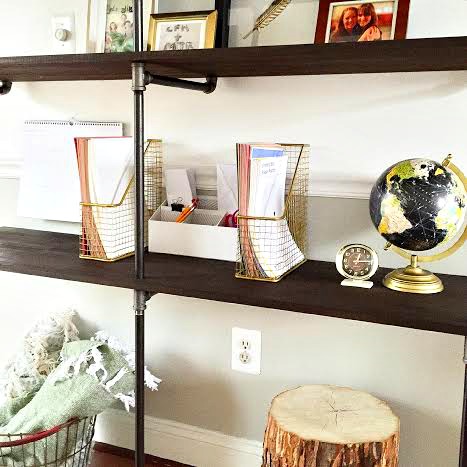
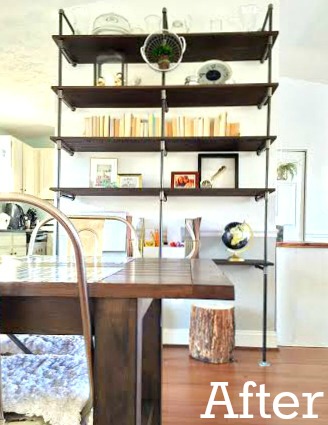
Hi, All! I'm thrilled to finally be sharing this crazy fun and super big project with you today! If you're an Instagram friend then this post might be a little anti-climatic since I've been sharing pictures of these shelves for the past couple months. I decided to wait until after the holidays to post about our new industrial build, so we've had a bit of time to grow into it. You may have seen pipe shelves before - I've seen folks build small ones in bathrooms, as well as over entire walls as more of a 'built-in' look. Here is our version of these fabulously industrial shelves:

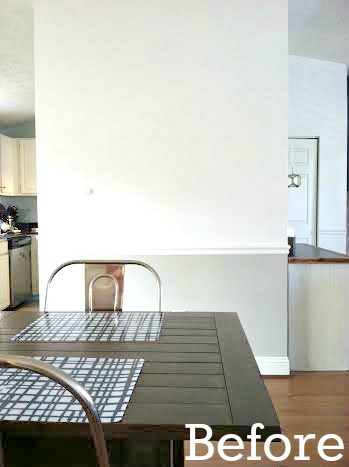
Aren't they rad?! We previously had a china cabinet on this wall which I enjoyed refinishing in a beautiful Duck Egg blue. But, as the kids got a little older it wasn't a practical piece for us and I needed way more open storage. I shared a few inspiring pictures of industrial shelves with Matt, he loved the idea, and we got to work almost right away! Building this was WAY easier than I had expected, and I'm going to show you how right now!

Let's have some fun, shall we?

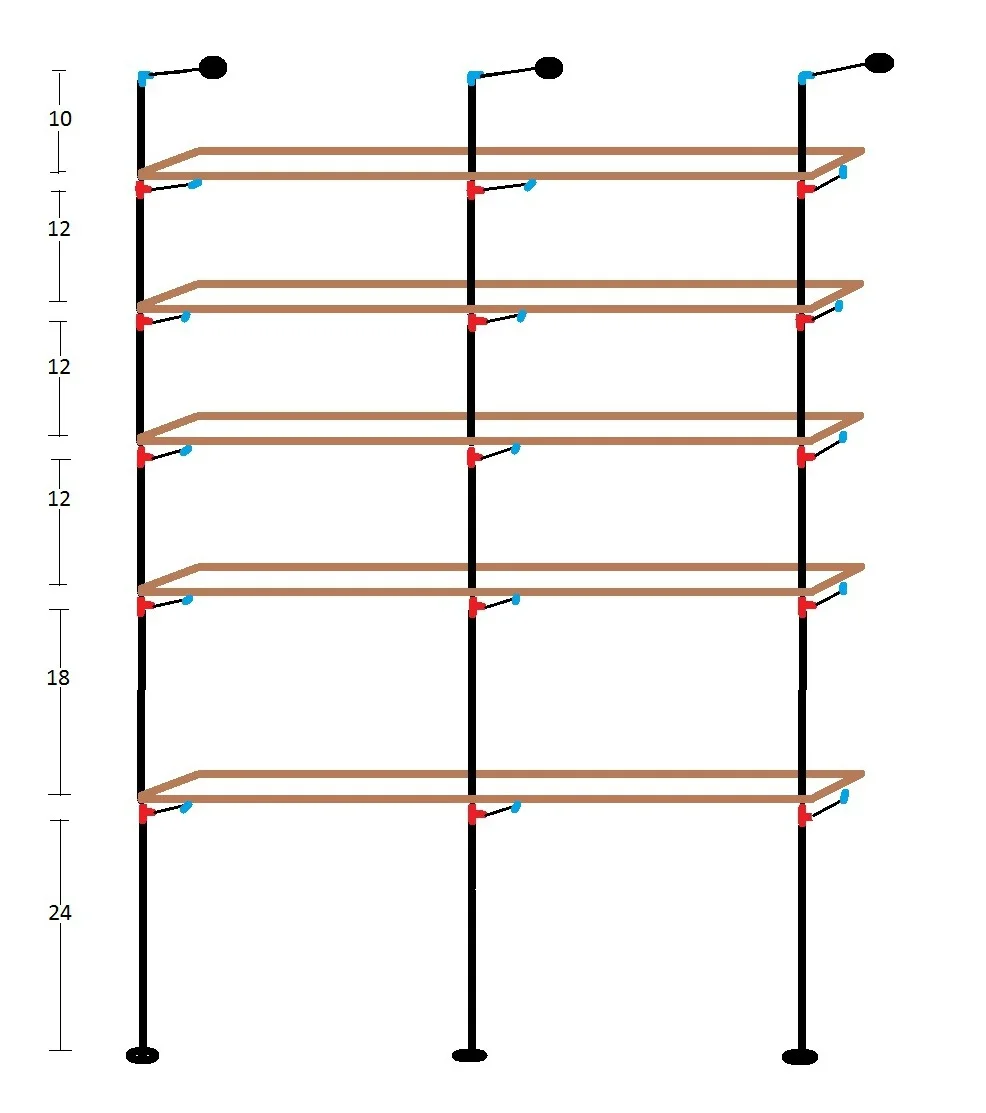
First, we measured our wall and created this digital design of what we wanted to build. I wanted room at the bottom shelf to slide a stool or two under to use as a make-shift desk for our kids.

Then it was time to gather the supplies! I kid you not, gathering all the pipes and pieces for this project took longer than the actual build. I highly recommend calling your designated hardware store ahead of time and asking them to check their stock of each piece! Here's what we came home with:

Supplies pictured above:
3 x 24" 1/2" pipes
3 x 18" 1/2" pipes
3 x 14" 1/2" pipes
24 x 12" 1/2" pipes
3 x 10" 1/2" pipes
18 x 1/2" elbows
16 x 1/2" tees
6 x 1/2" flanges
Supplies not pictured above:
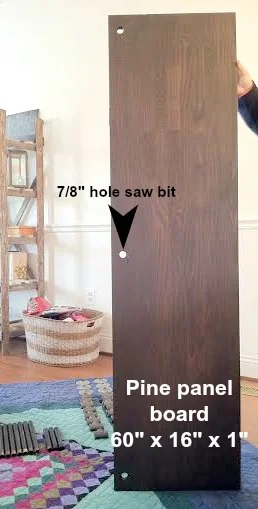
5 x 60"x16"x1" Pine Panel Boards
7/8" hole saw bit
Wood Stain for the boards, (we used Kona by Minwax)
Metallic spray paint for the pipes, (we used Rustoleum Oil Rubbed Bronze)
Lysol wipes to clean the pipes

TOTAL COST FOR ALL SUPPLIES: Just under $450

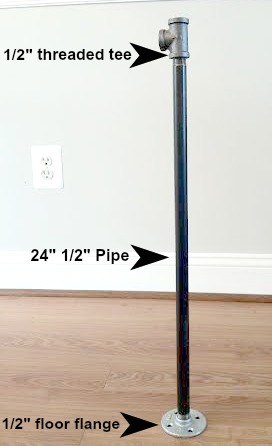
Once you have all of your supplies home, you'll want to clean the grease and oil off of the pipes before you spray paint them. Just give them a good wipe down with Lysol wipes, let dry, then spray them. Once the pipes are dry, it's time to build! Work from the floor up:

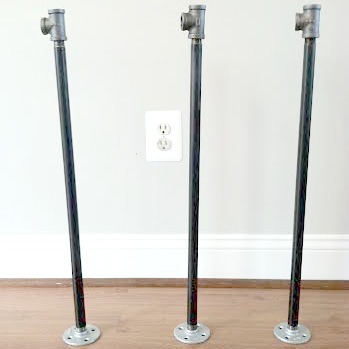
Following our digital design, we just started threading everything together like a good old fashioned erector set! At this point we have not screwed anything into the wall or floor. The pipes and fittings were screwing together so tight and were so incredibly sturdy, there was no need to anchor anything until we got up to the very top.

The panel boards, which we pre-drilled the holes on, just slid right over the vertical pipes, and rested on the horizontal 12" pipes with the elbow supporting the side closest to the wall.

Once we got to the top, (and again, at this point nothing is anchored to the floor or wall, but the sheer weight and tightness of it all kept it so sturdy), we used 3 x 14" pipes threaded into the top three elbows, (seen in the picture below without the pipes), and then threaded the other end of the 14" pipes into the flanges. We then screwed the flanges directly into the wall for additional security. The bottom flanges are just sitting on the floor, not screwed in. It's really not necessary once you see how sturdy the structure is.

A view of the finished product from the middle. It really was a quick build! The prep work took a bit of time, (gathering the supplies, cleaning and spraying the pipes, staining both sides of the boards and drilling the holes), but the actual structure went up pretty quick!

These shelves have been so much more functional for us. The bottom shelf is completely stocked with kids' activities and supplies and now that they're out in the open, we are doing way more activities together. That is such a gift in and of itself!

I hope if you ever want to give these shelves a go that this tutorial is helpful for you! Please don't hesitate to ask any questions you have! One discovered bonus to these shelves versus actual built in shelves is that these are transportable! If we ever move from this home, we'll be able to bring these with us, (and we can always add on if need be).

Thank you so much for stopping by and have a wonderful weekend!